

Same sky, different view
The same sky might be above us all, but what we see when we gaze upwards is entirely dependent on our ideological geography.

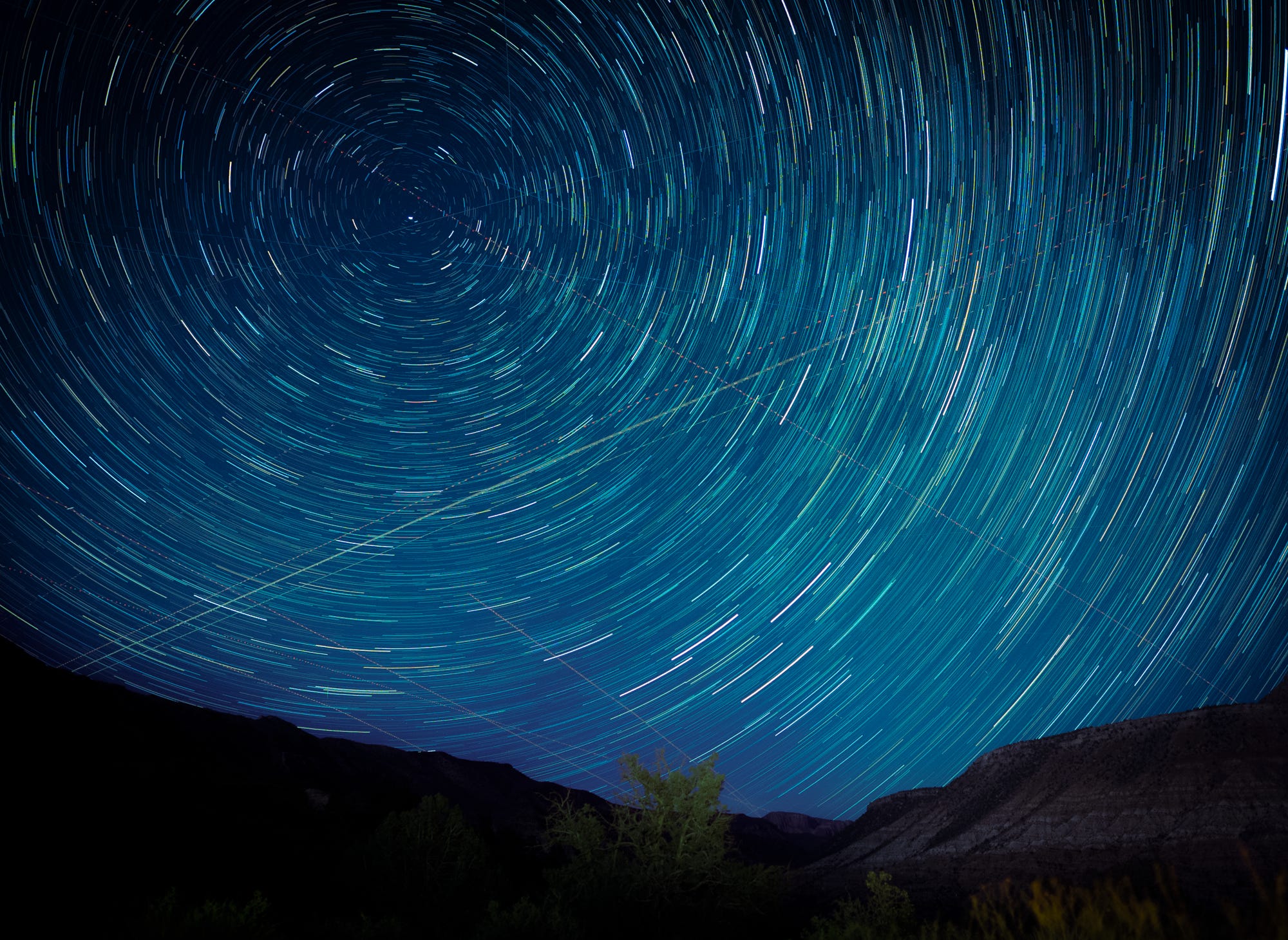
Sitting in a chair by the campfire with the vastness of the surrounding desert drenched in the cooling darkness of evening, I was reminded of just how intoxicating the sprawling edge of the Mojave can feel late in the day.
And so, I reached for my camera and began setting up a tripod to take a few frames of the starlit canopy that was emerging over the desolate bluffs on the horizon.
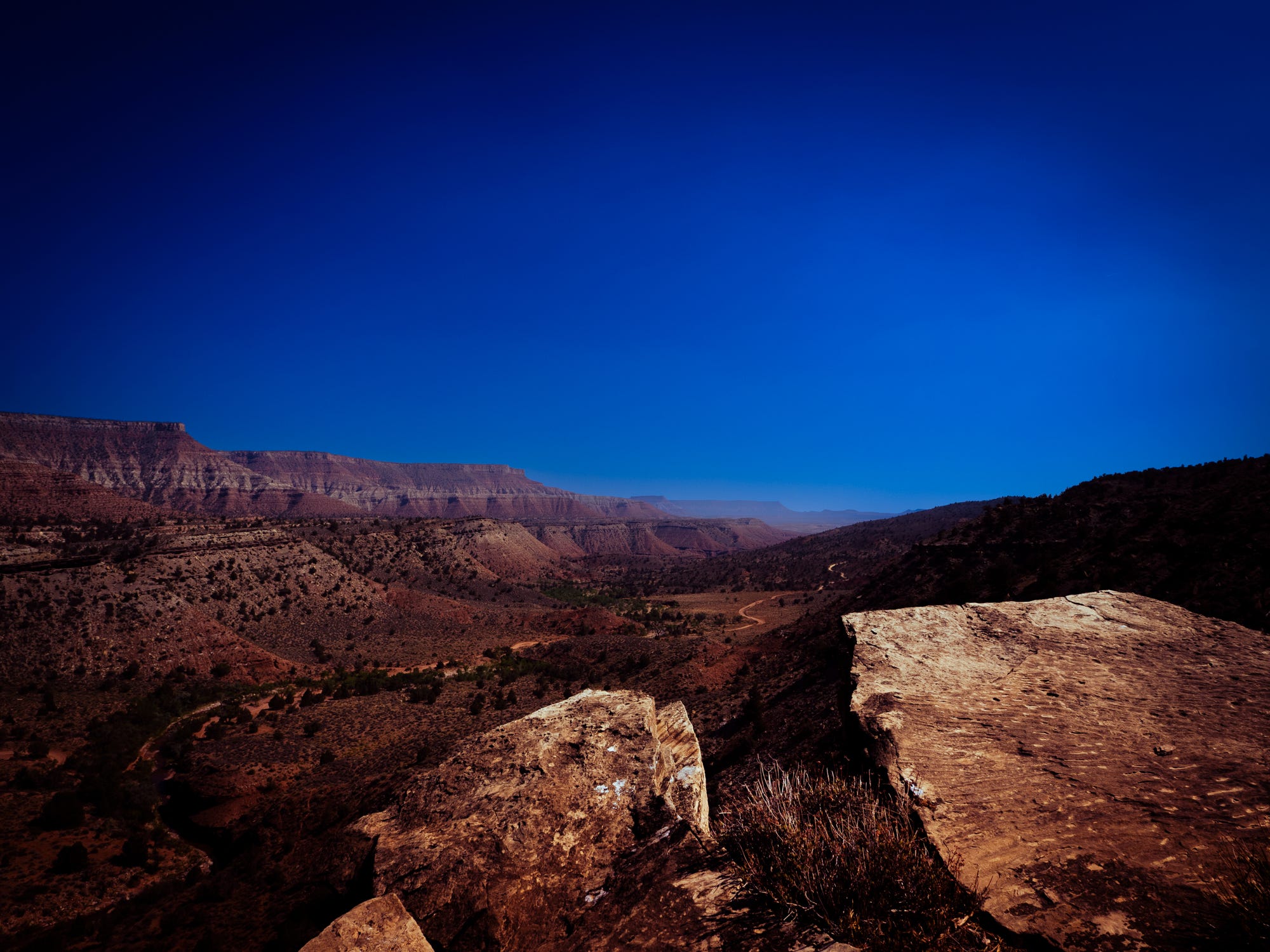
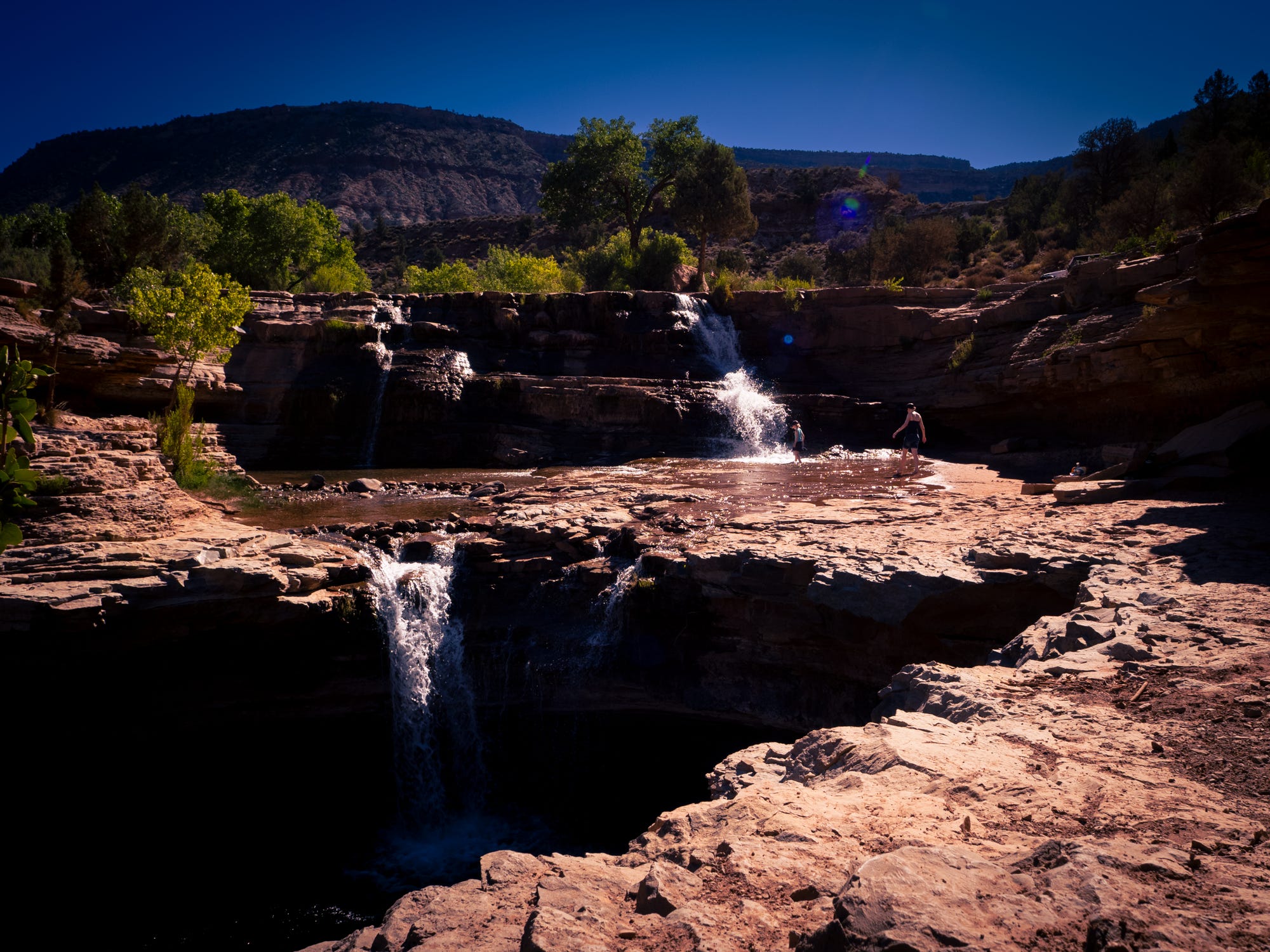
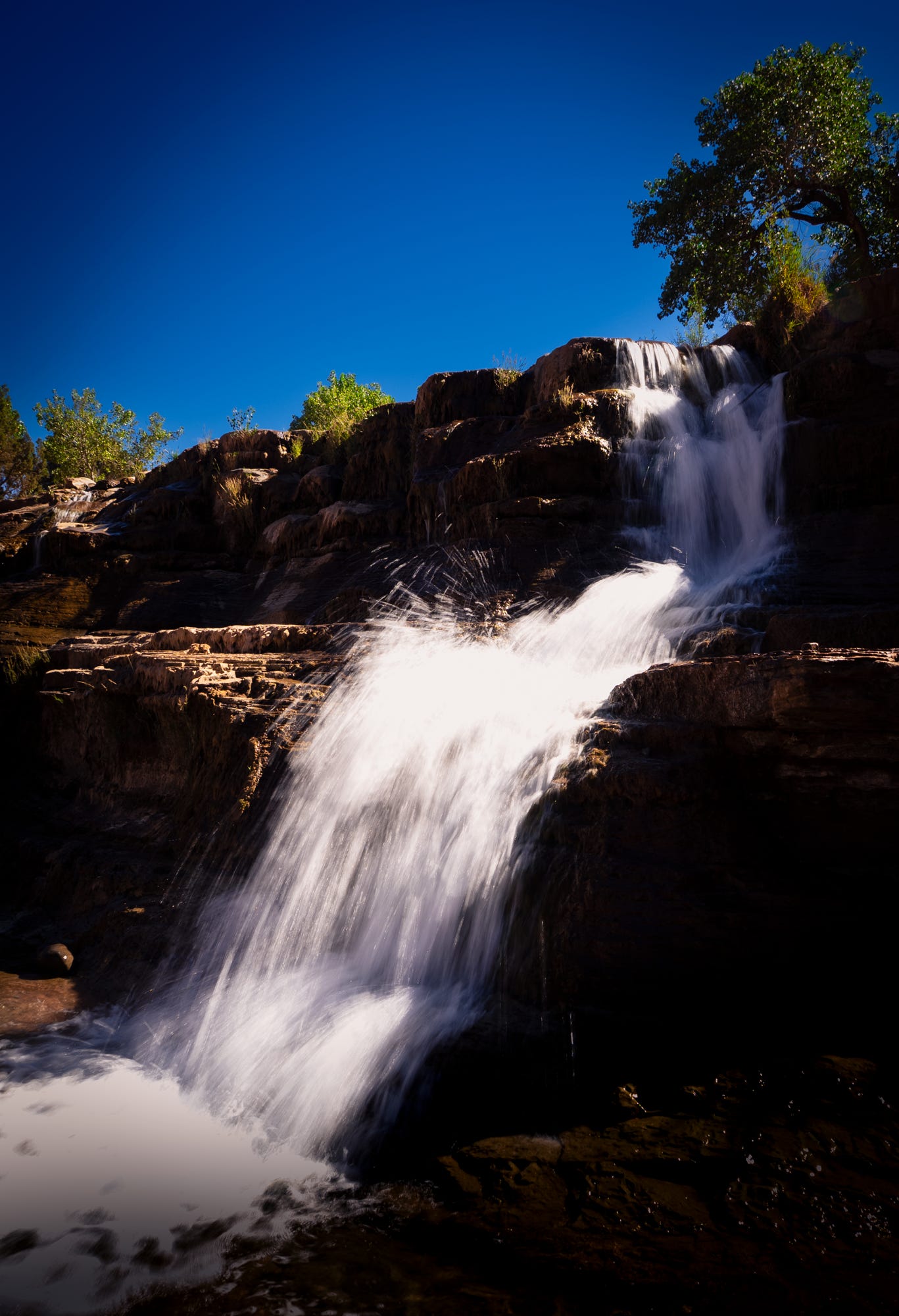
We had decided to take the Jeep out for a quick overnight camping trip near Toquerville Falls in Southern Utah, and the landscapes had certainly not disappointed. As is typical throughout the region, virtually every direction framed yet another breathless vision of the American West — vast geological marvels littered with hearty desert flora and scarred by eons of steady erosion chiseling away at canyon walls.
I managed to nab a few successful images of the night sky as the evening went on:
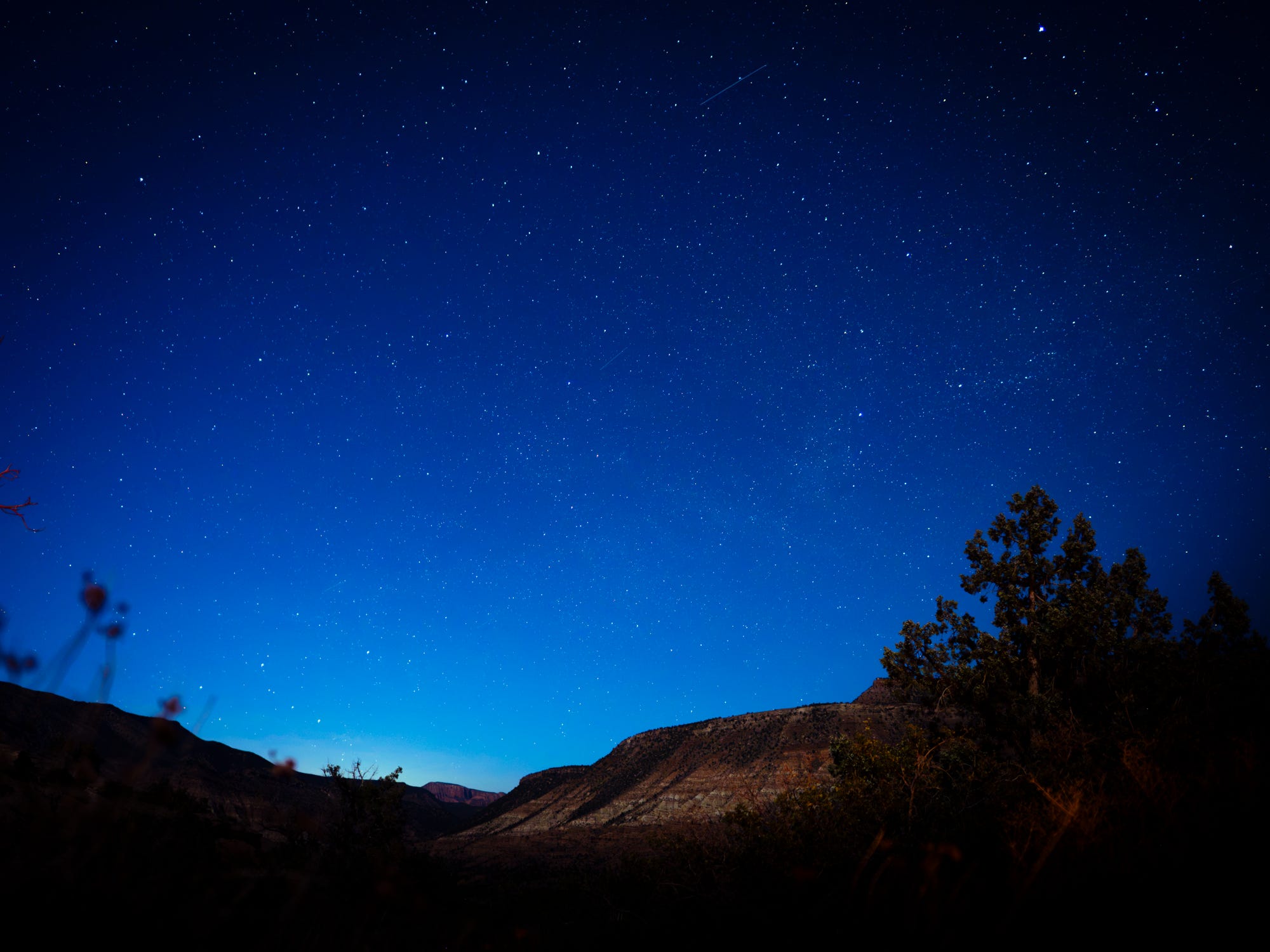
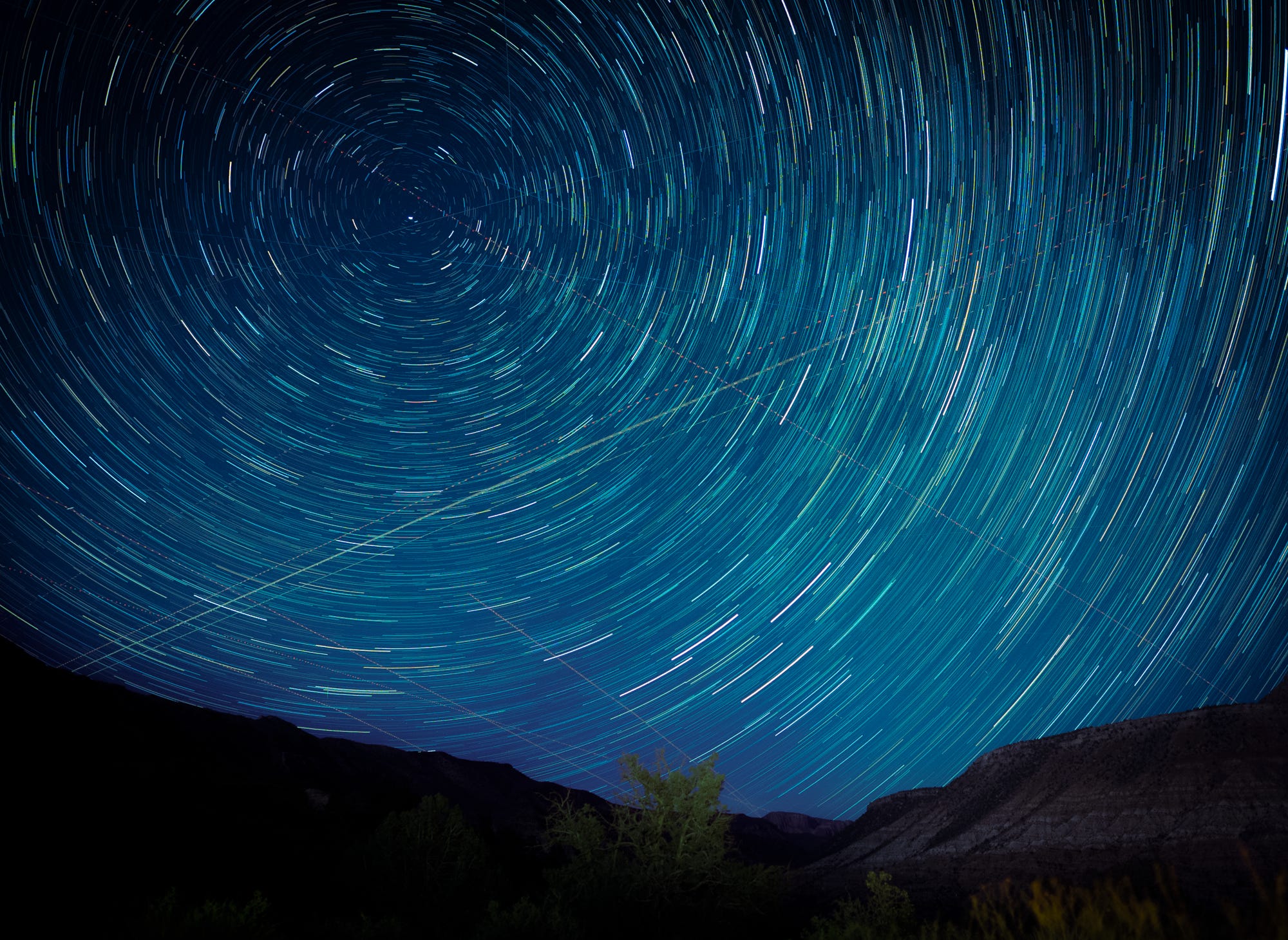
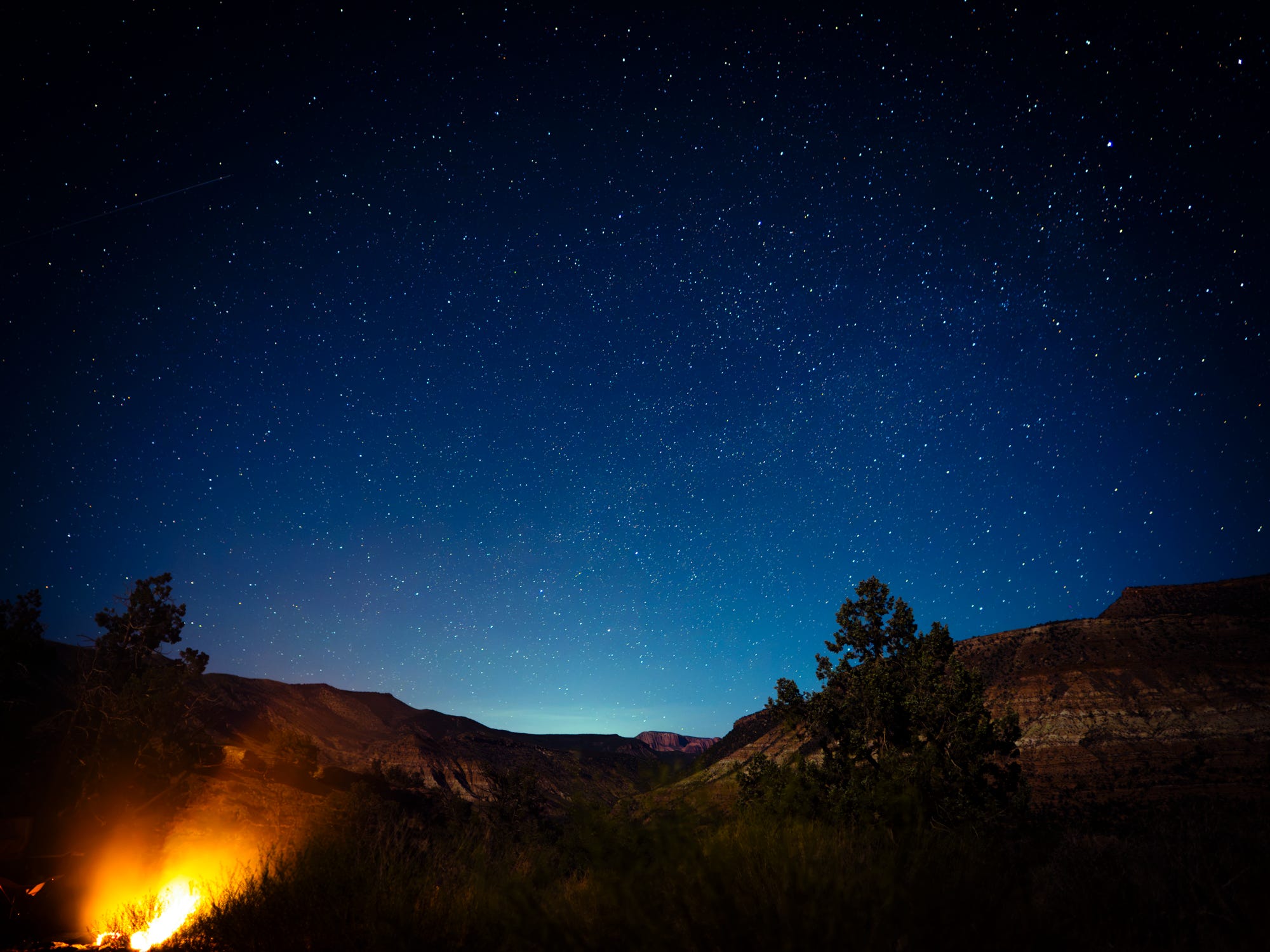
To be sure, I was quite pleased that the images turned out. Night photography, after all, is one of those things that tends to frustrate more than it rewards as digital sensors (or physical film) struggle in low-light conditions — often producing images that turn out far too “noisy,” underexposed or otherwise sub-optimal.
However, as I later looked through my pictures, a strange thought crept across my mind: Toquerville isn’t too far from where my home is in Las Vegas, Nevada — only about two hours on the I-15, just past Saint George, UT.
In other words, the sky that captivated my attention that night as I sat near a campfire amidst the desert expanse was, virtually, the same sky that normally hangs over my own home — albeit, at my home it’s generally hidden behind a fog of light pollution, incessant flightpaths and other visual distractions that come along with living among 2.4 million souls sharing roughly 400 square miles of suburban sprawl.
But somewhere behind that impenetrable cloud of obscured city sky lie the same stars and celestial bodies I had seen in Southern Utah.
Same sky, but a radically different view thanks to geography.
And with this thought in mind, I was reminded that perspective matters. Simply shift your perspective a few hundred miles, and all that hides beyond the dull canopy of suburbia is suddenly revealed — a shift of an inconsequentially small amount in celestial terms.
And it’s not merely the lack of light pollution that would reveal the wonders of a dark midnight sky. The context of one’s surrounding is just as important. Looking up at the sky with canyon walls framing one’s view is dramatically different than tall pine trees reaching upward in one’s peripheral or the desolation of a cool ocean expanse opening the depth of the star-filled heavens toward a seemingly never-ending horizon.
Indeed, this framing of a view in the unique perspectives and contexts of the moment is one of the things that strikes me as most interesting about photography in general. If ever you have wondered why your photos don’t come out looking quite as magnificent as some of the photos done by the likes of Ansel Adams, it’s likely because we lack the perspective in our snaps that provide such depth to the final product.
And this need for the “right” perspective is not unique to photography. It’s similarly true with most things in life.
Perspective and context drive our understanding of the world — and it’s for that reason we so often fail to connect with those around us on controversial, contentious or important issues. Our life experiences, our political biases, our level of exposure to the broader world shape the way we interpret the happenings around us — the context and perspective we bring to such interpretations being unique to each and every one of us depending on the breadth and diversity of our lives.
In politics, this chasm between our unique viewpoints is highly evident as members of political tribes assume the view they have of the world (how things “should” be, the injustices they observe, the blessing they acknowledge) is the same view everyone must have. When they spot a social issue worth discussing, they so often imagine that if those around them simply looked up toward the sky, we’d all see the same blanket of stars as they do.
But in truth, that’s rarely the case.
We all view the world through our own lenses — spotting injustices where others see none, envisioning a future others haven’t considered, or acknowledging blessings others don’t even know exist. The same sky might be above all of us, but what we see when we gaze upwards is entirely different depending on our ideological geography.
And it’s for this reason assumptions are so detrimental to public discourse.
All too often, ideological disagreements are based on “facts” that aren’t so hardnosed or indisputable as we would like to believe. Instead, they’re like our view of the night sky — wholly and completely determined by where we are when we look up.
As such, before we begin opining about things we know to be true, it behooves us to make sure we’re sharing the same perspective as those with whom we’re conversing.
To be sure, that’s not terribly easy to do in an era where it’s easier than ever to ensconce ourselves in ideological echo-chambers and gather “facts” that pander to our preconceived biases of the world. Resisting such insular worldviews requires us to invite those with whom we disagree to join us where we are — or for us to join them where they are — and examine the skies together from a common vantage point.
Finding such a common vantage point isn’t simple nowadays… but then again neither is trekking into the wilderness to grab a few photos of some sprawling landscape. Making the effort, however, is almost always worth the trouble.
After all, how else are you going to be mesmerized by the raw beauty of the world if you don’t try shifting your perspective every once in a while?
Michael Schaus is a communications and branding expert based in Las Vegas, Nevada, and founder of Schaus Creative LLC — an agency dedicated to helping organizations, businesses and activists tell their story and motivate change.
From the Archives:
The opposite of a good idea…

Creative thinking often comes down to a simple willingness to explore “bad” ideas — or, at the very least, ideas that aren’t necessarily known to be good.